

Renals play a significant role in maintaining the body's overall health by filtering waste and excess fluids from the blood. If your kidneys are damaged, these symptoms become very common: weakness, fatigue, nausea, etc. Kidney disease affects the body's efficiency in excreting wastes via urine, which causes fluid retention and leads to edema(swelling). At the same time, it also impacts the production of red blood cells and the metabolism of vitamin D necessary for strong bones.

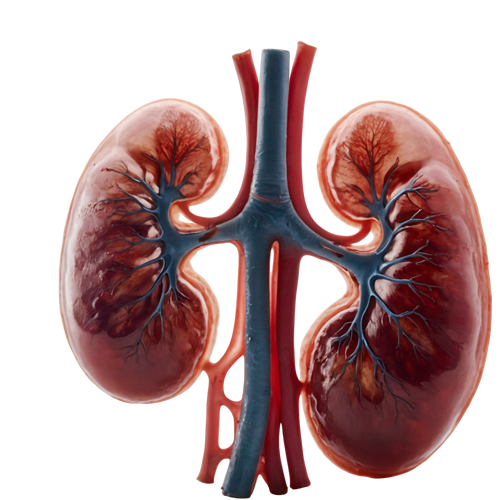
Usually, renal issues cause no such noticeable symptoms in their early stages. Gradual progression in the disease may lead to a variety of symptoms like;






While diabetes and hypertension are considered to be the two primary conditions affecting the renal health of the patients, certain lifestyle factors and having a family history of kidney diseases can also increase the likelihood of patients developing such issues. The risk of kidney disease can also increase with age. Below, you can find all the causes behind the development of the condition in detail.

Diabetes causes the body's tiny blood vessels to break down. When the blood vessels inside your renals are damaged, their ability to adequately filter blood is compromised. You may gain weight and have swelling in your ankles because the body will retain more water and salt than it should. Furthermore, waste materials will build up in your blood, and your urine might contain protein.

Blood vessels throughout the body, including those of the renals, can weaken and become damaged as a result of hypertension-induced narrowing and contraction. The contraction reduces the blood flow. The kidneys cannot function properly if their blood vessels are damaged. Their ability to eliminate waste products and excess fluid from your body is compromised due to this.

The most common causes of renal disease, diabetes, and high blood pressure are associated with obesity. Obesity alone may cause renal disease to develop and speed up its progression, even in the absence of diabetes or hypertension.
It is crucial to see your doctor immediately if you experience any symptoms in order to evaluate your condition accurately and determine the type of kidney disease you have. Depending on the severity, kidney diseases can be divided into seven main types.

In this condition, renals get damaged and cannot filter the blood effectively. Diabetes, high blood pressure levels, heart disease, and a family history of renal failure are the primary risk factors for developing chronic renal disease.

Numerous cysts develop in the renals due to polycystic kidney disease (also known as PKD), and renals suffer harm due to the presence of too many or too large cysts. In addition, PKD affects renal functioning and can sometimes even lead to renal failure.

Also called Berger's disease, IgA deposits accumulate around the renals and harm them by causing inflammation. IgA is an antibody, a protein that the body produces to resist bacteria and viruses.

Nephrotic syndrome occurs when any renal condition affects the filtering units in a way that causes them to leak protein into the urine. It is characterized by a group of signs and symptoms indicating damaged renals and can lead to serious complications like blood clots, increased risk of infection, etc.

It refers to an inflammation of the kidneys' tiny filters (glomeruli). The excess fluid and waste that glomeruli remove from the circulation are expelled by the body through urine. Glomerulonephritis can develop gradually(chronic) or suddenly (acutely).

A renal cyst is a fluid-filled circular or oval pouch with a distinct outline. Usually, renal cysts develop on the outside of the renals. However, round fluid pouches can develop in or around the kidneys. In addition, disorders that impede renal function might lead to the development of renal cysts.

Acute kidney injury typically develops as a side effect of other significant illnesses, and the renals can cease functioning normally. The severity may range from a slight decline in renal function to total renal failure. Contrary to what the name might imply, it does not result from a physical injury to the renals.
Renal patients search for alternatives to kidney dialysis or transplants and seek a treatment that lessens complications, eases symptoms, and prevents disease worsening. Homeopathy kidney treatment, an alternative treatment approach, is based on the idea that "like cures like which means anything that causes the symptoms in a healthy person can also treat an unwell individual with the same symptoms. This helps stimulate the body's natural defence mechanisms.
Kidney treatment by homeopathy addresses and treats the root cause of the problem with a tailored treatment approach consisting of highly diluted medicines, usually in the form of pills or liquids. The medicines are prescribed after detailed case-taking with the goal of treating the disease's underlying cause instead of merely suppressing kidney damage symptoms. Since the improvement achieved through homeopathy is comparable with conventional treatment methods along with side-effect-free results, therefore it can be considered an excellent option for dealing with renal diseases.